The Logistics of Scaling Retail Sales for Perfume Brands
Scaling a consumer product brand involves so many moving parts that need to be carefully balanced in order to maintain inventory and advertising budgets. Direct-To-Consumer (DTC) orders that come through your brand’s website have their own set of advantages. Scaling your perfume brand by getting your product into more retail stores also comes with many advantages specific to this sales channel. Understanding the advantages and disadvantages will help you better allocate your marketing budget to more effective perfume advertising campaigns.
The Money is in Retail
Retail distribution makes up the lion’s share of revenue based on distribution channels for fragrance brands, on average accounting for 60-75% of total revenue. Let's also be specific about the term ‘retail distribution’. Most perfume is sold at large retailers. Macy’s, Nordstroms, Kohls, etc. A Macy’s fragrance department might make more sales in 3 weeks than an independent perfume boutique sells in a year. If you want your perfume brand to grow, then you need to be focused on retail distribution in department stores.
Finding Perfume Distributors
Perfume brands that meet all the criteria for larger-scale distribution will often have distributors contacting them. You will still want to actively look for distributors with experience handling perfume or cosmetics. You need to actively vet the company you select due to the complete negligence of some distributors in the fragrance industry. Tap into your network for recommendations of distributors with a proven track record of proper storage and shipment, timeliness, regulation compliance, and access to a powerful retail network.
Questions to ask potential distributors:
Can I get references from a current customer of yours who is in cosmetics?
Years in business?
What are your payment terms? (more on this later)
Do you have a platform for me to see real-time data and analytics?
How many point-of-contacts will I have with your company?
What is the inventory replenishment cycle?
Is there a buyback agreement or markdown allowance?
How many stores do you ship to that actively sell cosmetics?
Inventory Management
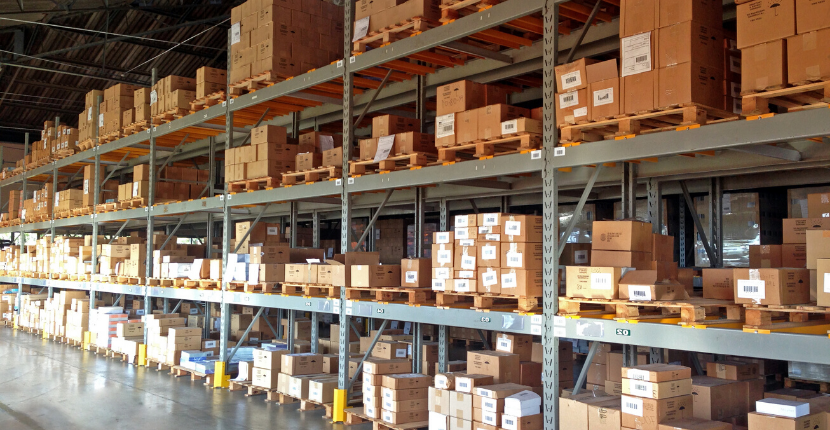
The most difficult aspect of operating a consumer product business is inventory management. This problem is only further complicated if you don’t have your perfume making in-house and have to contract out to a fragrance houses. Many big consumer brands have filed for bankruptcy or incurred huge losses because of poor inventory management. Cash Conversion Cycles can get disrupted with 1 or 2 bad purchases.
Ordering too much inventory is the most common error, where too much liquidity is tied up in inventory that isn’t moving. This can also decrease the amount of money the brand can allocate to advertising its inventory. All the while this inventory is continuously:
incurring storage fees
risks going out of style
spoiling if perishable
Over-purchasing inventory essentially creates a black hole on your Cash Flow statements until the inventory can get cleared out, likely at a loss.
Under-buying inventory is not as dangerous; however, it can lead to retailers dropping you as a supplier if you cannot meet their needs. It costs big retailers a lot of money to have empty shelf space and they cannot afford to have unreliable suppliers not able to meet contractually determined inventory shipments. For a retailer like Sephora, they have thousands of viable brands competing for every inch of shelf space. If you have a contract to deliver X amount of perfume bottles to Sephora and you cannot meet that number, Sephora will immediately start looking for a brand that can.
Lower Margins Compared to DTC Sales
When selling to retailers, you will not be selling the perfume at retail prices. The bigger and more luxurious the retailer, the more competitive their shelf space is. Big retailers like Macy’s or Nordstroms, you can expect to sell your perfume at 25-50% MSRP. When you sell a bottle of perfume directly from your brand’s website, you sell at 100% MSRP and you get all of the customer data.
Payment Terms and Cash Flow
Anyone who has ever managed the Cash Flow of a business knows the importance of negotiating payment terms. Do you have a buyback clause in your contract after 6 months? If so, then you should likely have some money available in 6 months just in case. Are you on consignment terms with a retailer? Then you need to be prepared for more administrative work in tracking unsold inventory and dealing with pricing conflicts which are bound to arise.
As a new brand with an unproven track record in retail, the retailer will likely only accept consignment terms versus buying the product wholesale upfront. Consignment favors the retailer. Wholesale favors the seller and is riskier for the retailer.
What are your payment terms? Net30? Net60? Many retailers will negotiate tooth and nail for longer payment terms. Is your fragrance brand prepared to wait 120 days to receive payment for a large purchase order? For most small brands, not having operating capital while waiting for a large payment to come through can be a death sentence.